
Why do churches ring bells?
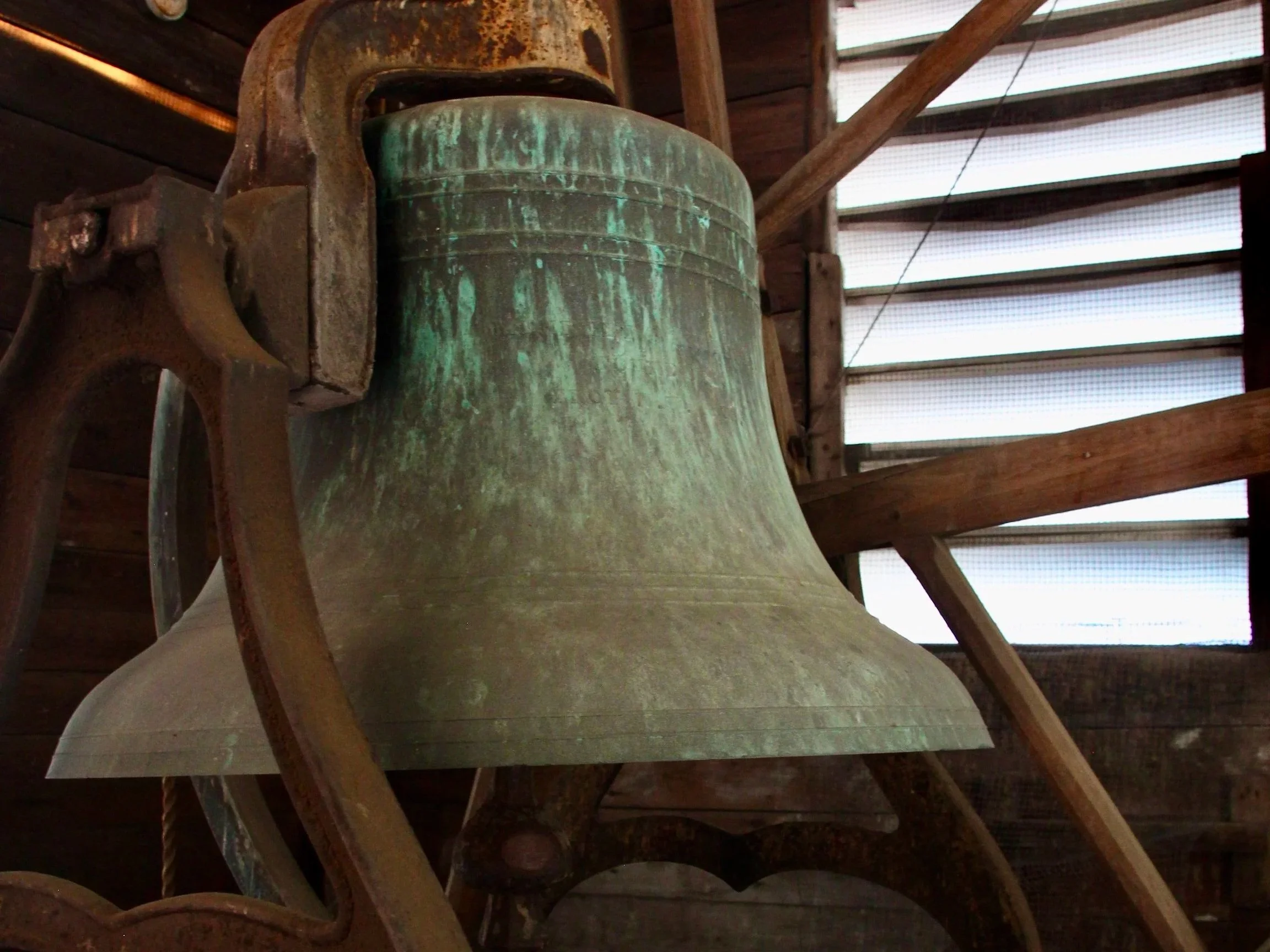
A Familiar Sound with a Long History
For many people, the sound of church bells is one of the most familiar sounds of Christian life. Even those who have not been inside a church for years may recognize the ring of bells on a Sunday morning, at a wedding, during a funeral, or in the middle of a quiet town. Bells have a way of reaching beyond the walls of the church building, carrying a message into the neighborhood before a single word has been spoken.
Church bells have been used for centuries as signals, reminders, and invitations. Long before most people carried watches or phones, bells helped mark the hours of the day and gather communities for important moments. In Christian tradition, bells became especially associated with worship, calling people away from their ordinary routines and toward a shared time of prayer, Scripture, praise, and fellowship.
In the Reformed tradition, including the Reformed Church in America, bells are not magic, and they are not required for worship to be real or faithful. They do not make a service holy, and they do not replace the Word of God, prayer, or the gathered body of Christ. Instead, bells serve a simpler and beautiful purpose: they call, remind, and gather.
Bells Call the Church to Worship
One of the oldest and clearest reasons churches ring bells is to call people to worship. The sound announces that the Lord’s Day service is beginning, or will begin soon, and that the congregation is invited to gather. It is a public way of saying, “Come, let us worship God.”
This fits naturally with Reformed worship. In the RCA, worship is centered on God’s gracious initiative and the people’s faithful response. The congregation gathers, approaches God, hears the Word of God, responds in prayer and praise, and is sent back into the world to live in faith and service.
A bell does not begin worship in a theological sense; God is the one who calls the church together. Still, the bell can serve as a practical and symbolic sign of that call. It reaches people in the parking lot, on the sidewalk, in the fellowship hall, and sometimes even in nearby homes, reminding everyone that the church is gathering before God.
Bells Mark Sacred Time in Ordinary Life
Church bells also help mark time. This was especially important in earlier centuries, when communities did not have digital clocks, phones, calendars, and reminders in every pocket. A church bell could announce the hour, signal the beginning of worship, mark a civic event, or let the community know that something important was happening.
Even today, when nearly everyone has access to exact time, bells still do something a phone alarm cannot quite do. They interrupt the ordinary noise of the day with a sound that belongs to the life of the church. They remind us that time is not only something to manage, spend, save, or lose; time is also something received from God.
For Christians, Sunday has long been understood as the Lord’s Day, the day of resurrection and the central day of weekly worship. When bells ring on Sunday morning, they mark more than a scheduled event on the church calendar. They remind us that the week has a rhythm, and that worship is not an afterthought squeezed into life, but part of the way Christian life is ordered.
Bells Gather the Community
Church bells are also public. They are not heard only by the pastor, the elders, the deacons, the choir, or the people already seated in the pews. They ring outward, across streets and homes and shops, reminding the wider community that the church is present.
That public quality matters. A church is not only a private gathering of individuals who happen to share religious beliefs. In the Reformed understanding, the church is the body of Christ gathered for worship and sent for witness, service, and love of neighbor.
The sound of bells can become part of a community’s memory. People may remember hearing them as children, hearing them before Christmas worship, hearing them on the day of a wedding, or hearing them toll during a season of grief. Over time, bells become woven into the life of a place, marking not only church events but the shared joys and sorrows of the people who live nearby.
Bells Announce Joy and Sorrow
Bells are often associated with celebration. They may ring for weddings, Easter services, Christmas worship, or other joyful occasions in the life of the congregation. Their sound can feel bright and festive, carrying the sense that something good is being proclaimed.
At other times, bells toll more slowly and solemnly. Many churches ring bells for funerals, memorial services, or moments of public grief. In those cases, the bell becomes a sound of remembrance, dignity, and prayer.
This range is part of what makes bells meaningful. The same bell can ring in joy and toll in sorrow, just as the church gathers in seasons of celebration and seasons of mourning. It gives voice to the truth that the people of God bring their whole lives before the Lord: births and deaths, beginnings and endings, thanksgiving and lament.
Bells Remind Us That Worship Is Shared
In a world that often treats faith as something purely private, church bells make worship audible. They remind us that Christian worship is not only an inward feeling or a personal preference. It is something embodied, communal, and shared.
The Reformed tradition has always placed deep importance on the gathered people of God. We come together to hear Scripture read and proclaimed, to pray, to sing, to confess, to receive the sacraments, and to encourage one another in faith. Church bells do not create that gathering, but they point toward it.
There is also something gracious about the simplicity of a bell. It does not argue, explain, advertise, or pressure. It simply rings, and in ringing, it offers an invitation: the doors are open, the people are gathering, and worship is about to begin.
Bells and the Life of the Church Today
Not every church has bells, and not every faithful congregation rings them. Some churches meet in storefronts, schools, chapels, homes, or shared spaces. Others have towers and bells that have been part of the building for generations.
Where bells are present, they can still serve the church well. They connect the congregation to Christian history, to the neighborhood, and to the weekly rhythm of worship. They also remind us that the church building is not only a place people enter, but a place from which a message goes out.
For an RCA congregation, the meaning of bells can be understood in a grounded, Reformed way. Bells are not the center of worship; Christ is. Bells are not a sacrament; baptism and the Lord’s Supper are. Bells are not necessary for God to call his people; yet they can be a beautiful and faithful sign of that call.
An Invitation in Sound
At their best, church bells are an invitation. They call the faithful to worship, remind the distracted to pause, mark the joys and sorrows of the community, and announce that the church is present in the world. Their sound may be old, but their message remains simple and clear.
When the bells ring, they tell us that ordinary time has been interrupted by something worth noticing. They remind us that worship is beginning, that God is worthy of praise, and that we are not meant to live the life of faith alone. They call us, once again, to gather.
So the next time you hear church bells, whether from the sidewalk, the parking lot, or your place in the pew, listen to them as more than background sound. Hear them as a reminder of generations who have gathered before us, of the community gathered around us, and of the God who continues to call his people together in worship, prayer, and hope.