The History and Legacy of Peapack Reformed Church
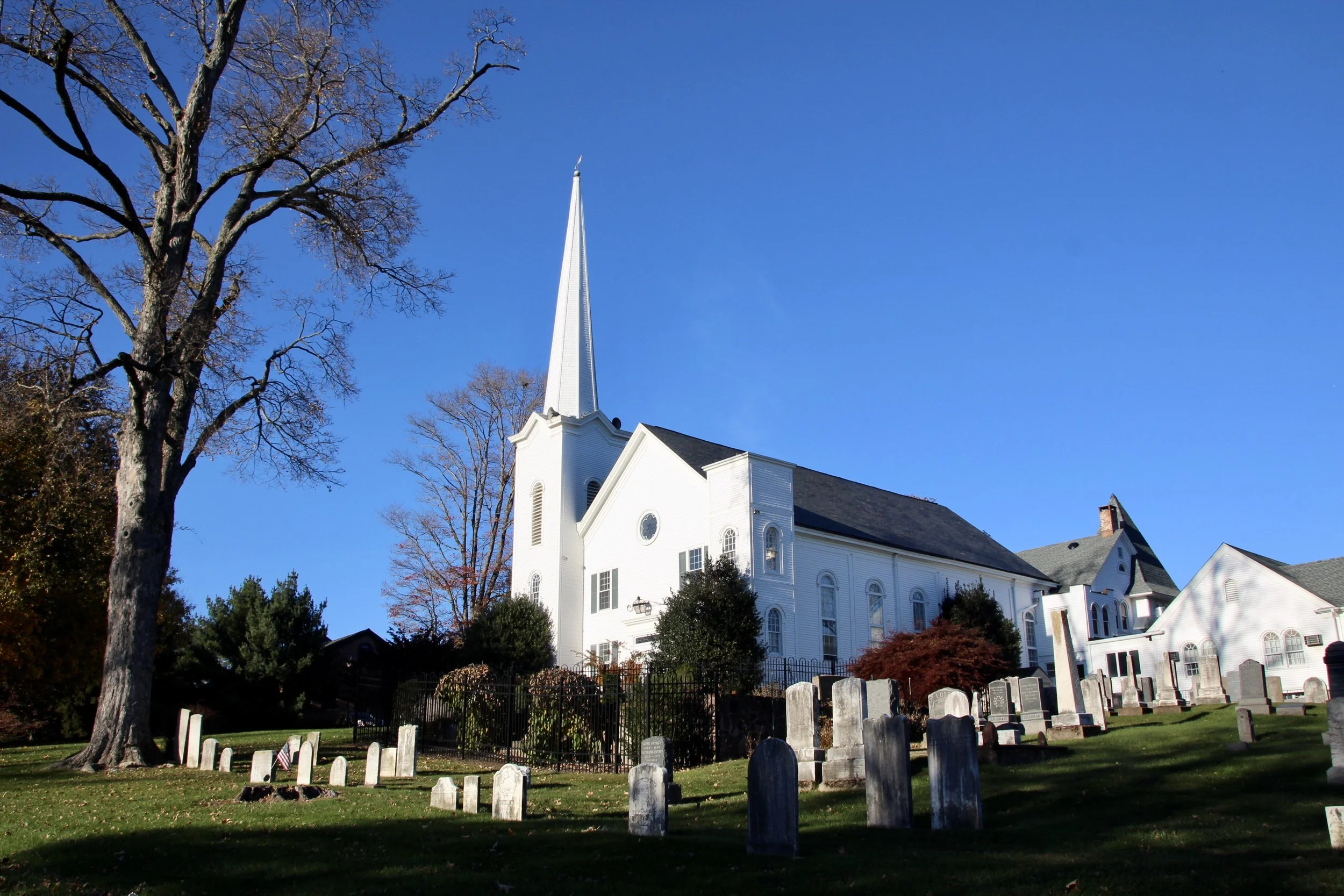
Nestled in the quiet landscape of Somerset County, New Jersey, the Peapack Reformed Church stands as more than just a place of worship. It represents a living piece of local history, deeply connected to the spiritual and communal development of the surrounding region. Like many historic congregations in small-town America, its story is intertwined with the growth of the town itself—reflecting generations of faith, resilience, and community life.
The legacy of this church is not only found in its physical structure but also in the people who have gathered within its walls over the years. Through seasons of change, it has remained a steady presence, offering worship, fellowship, and continuity in an evolving world.
Early Foundations and Historical Roots
The origins of many Reformed congregations in New Jersey trace back to early Dutch settlers who brought their faith traditions to the region. The Reformed tradition emphasized Scripture-centered worship, strong community ties, and a commitment to education and moral living.
Within this broader historical context, the Peapack congregation developed as part of a growing network of local churches that served rural and small-town communities. As families settled in the area and the town of Peapack grew, the church became a central gathering place for worship and community life.
While exact details of its earliest gatherings may be rooted in local historical records, what remains consistent is the church’s longstanding presence as a spiritual anchor for the community.
A Church at the Heart of Community Life
Throughout its history, the Peapack Reformed Church has played an important role in shaping the social fabric of the town. In small communities especially, churches often function as more than religious institutions—they become gathering spaces where people mark life’s most meaningful moments.
Weddings, baptisms, funerals, holiday celebrations, and weekly worship services all contribute to a shared sense of belonging. These events connect individuals not only to their faith but also to one another, strengthening relationships across generations.
In a town like Peapack, where personal connections are deeply valued, the church has historically provided a consistent place where those relationships could grow and be maintained.
Architectural and Cultural Significance
Historic churches often carry cultural and architectural significance, and the Peapack congregation is no exception. Church buildings in this region typically reflect traditional American ecclesiastical design, often featuring simple yet dignified architecture that emphasizes function, beauty, and reverence.
Beyond aesthetics, the building itself serves as a symbol of continuity. It represents the enduring presence of faith through changing times, economic shifts, and generational transitions.
For many residents, the church building is more than a structure—it is a landmark tied to personal memories and community identity. Its presence reinforces the historical depth of the town and serves as a reminder of those who came before.
The Reformed Tradition and Its Influence
The Reformed Christian tradition, rooted in Protestant theology, has long emphasized the authority of Scripture, the importance of worship, and the value of community accountability. These principles have shaped the identity and mission of congregations like the Peapack Reformed Church.
Worship within this tradition often centers on biblical teaching, congregational participation, and a thoughtful engagement with faith. This approach has helped foster communities that value both spiritual depth and practical service.
In small-town settings, these values often extend beyond Sunday worship into everyday life. Members of the congregation frequently engage in acts of service, mutual support, and community involvement that reflect their shared beliefs.
Generations of Faith and Continuity
One of the most remarkable aspects of historic churches is their ability to span generations. Families often remain connected to the same congregation for decades, with grandparents, parents, and children sharing in the same spiritual community.
The Peapack Reformed Church has served as such a place of continuity for many local families. Over time, it becomes more than a place of attendance—it becomes part of a family’s identity and history.
This generational connection helps preserve traditions while also allowing for growth and adaptation. As new members join and younger generations take on leadership roles, the church continues to evolve while maintaining its core values.
Service and Outreach in the Local Community
Churches in small towns often play an active role in meeting local needs, and this congregation is no exception. Whether through charitable initiatives, volunteer efforts, or informal acts of care, the church has historically contributed to the well-being of the broader community.
These efforts may include supporting families in need, organizing community gatherings, or partnering with local organizations to address practical concerns. In doing so, the church extends its mission beyond spiritual teaching into tangible acts of compassion.
Such outreach reflects a broader understanding of faith—one that connects belief with action and encourages members to serve those around them.
Adaptation Through Changing Times
Like many historic congregations, the Peapack Reformed Church has witnessed significant changes over time. Shifts in population, cultural trends, and patterns of religious participation have all influenced how churches operate and engage with their communities.
Despite these changes, the church has remained a steady presence. Its ability to adapt while preserving its core identity is part of what has allowed it to endure.
Modern congregational life may look different than it did in earlier generations, but the central purpose—worship, community, and service—remains consistent.
A Place of Memory and Meaning
For many residents, historic churches carry deep emotional significance. They are places where personal milestones are celebrated, where grief is shared, and where life transitions are marked in meaningful ways.
The Peapack congregation, through its long-standing presence, holds countless memories for individuals and families. These shared experiences create a sense of collective identity that extends beyond any single generation.
In this way, the church functions not only as a religious institution but also as a keeper of community memory.
The Enduring Legacy
The legacy of the Peapack Reformed Church is found in its continued role as a center of faith, fellowship, and service. Its influence is reflected in the lives of those who have worshiped there, the families who have been shaped by its community, and the traditions that continue to be passed down.
Even as society changes, the church’s presence serves as a reminder of the importance of rootedness—of having places where people can gather, reflect, and belong.
Its legacy is not only historical but ongoing. Each new service, gathering, and act of service adds another layer to a story that continues to unfold.
Conclusion
The history and legacy of the Peapack Reformed Church reflect the enduring importance of faith communities in small-town America. From its early roots in the Reformed tradition to its ongoing role in community life, the church has remained a steady and meaningful presence in Peapack.
Through generations of worship, service, and shared experience, it has helped shape both individual lives and the broader identity of the town. Its story is one of continuity, adaptation, and quiet but lasting influence.
In the end, the church’s legacy is not only preserved in its history but also lived out each day in the people who continue to call it their spiritual home.