How Children Are Welcomed in Worship
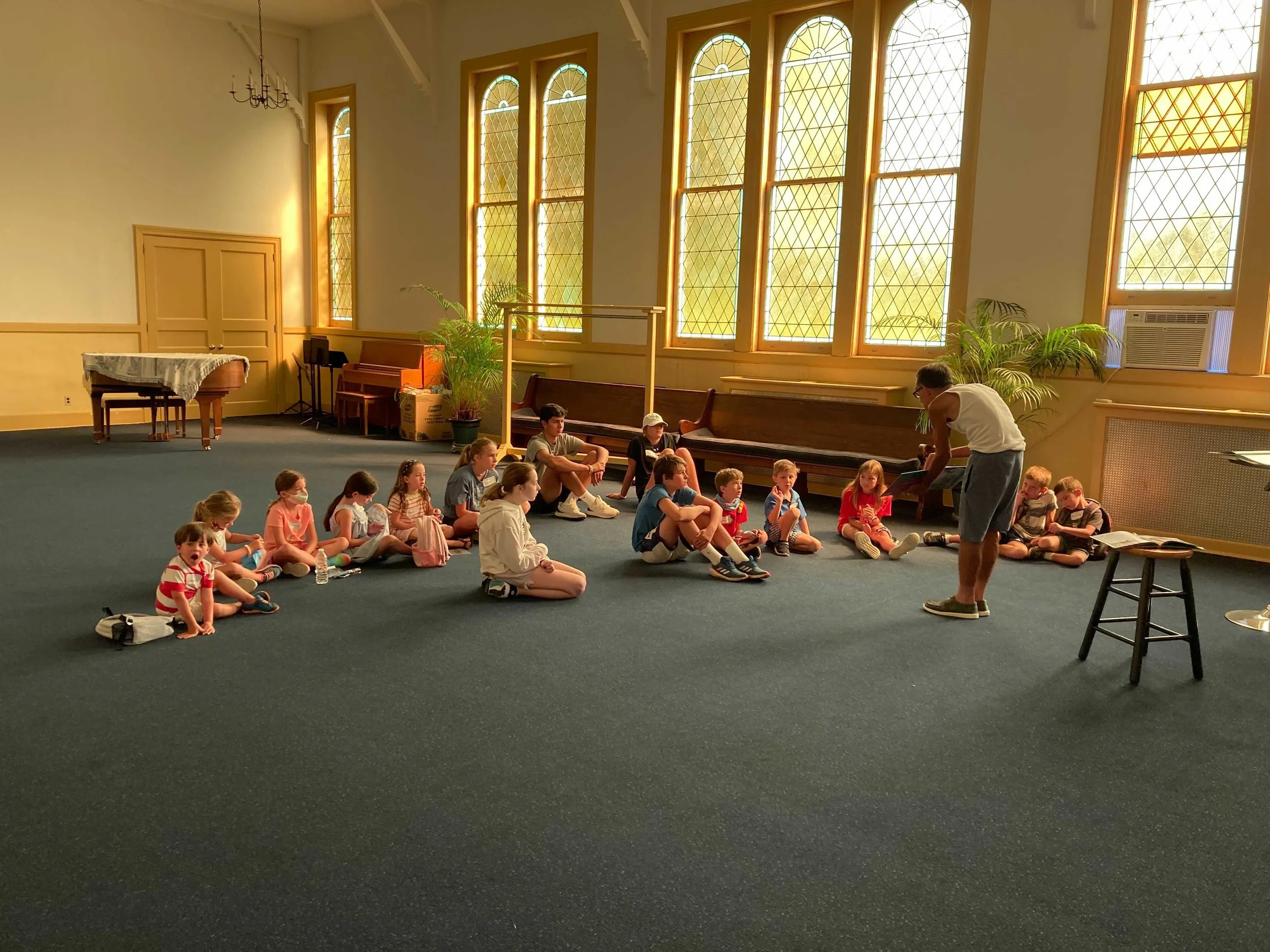
Children Belong in the Life of the Church
Children have always been part of the life of the church. They may not understand every prayer, hymn, sermon, or Scripture reading yet, but they are not outsiders waiting to become part of the congregation someday. They are already part of the worshiping community, learning the language, rhythms, songs, stories, and habits of faith by being present among God’s people.
In a Reformed church, this matters deeply. The Reformed tradition understands the church as a covenant community, where God’s promises are received, remembered, and passed from one generation to the next. The Reformed Church in America baptizes infants as well as older children and adults, and baptism is not treated as a private family ceremony separate from the life of the congregation. It is celebrated in the presence of the gathered church because the congregation also has a role in welcoming, teaching, praying for, and encouraging the baptized.
This means that children are not a distraction from the church’s real work. They are part of it. Their presence reminds the congregation that faith is not only something we study or discuss, but something we receive, practice, and hand down.
Worship Is Something Children Learn by Doing
Children learn worship the way they learn many important things: slowly, through repetition, observation, and participation. A child may not understand the entire sermon, but they can learn that Scripture is read with care. They may not know every word of a hymn, but they can learn that the church sings together. They may not grasp every part of prayer, but they can learn that God’s people speak to God, listen for God’s Word, and bring their needs, gratitude, and confession before him.
This kind of learning takes time. A child who wiggles through worship one Sunday may be the same child who begins whispering the Lord’s Prayer months later. A child who colors through the sermon may still hear a phrase that stays with them. A child who needs help finding the right page in the bulletin may gradually learn the order of worship and begin to recognize what comes next.
Adults sometimes assume that worship only “counts” for children when they are quiet, still, and visibly attentive. But children absorb far more than they can explain. The sights, sounds, words, and gestures of worship become familiar through repeated presence. Over time, they learn not only what the church does, but that they have a place within it.
A Little Noise Is Part of a Living Congregation
Churches are not museums. They are living communities made up of people of different ages, needs, temperaments, and stages of life. That includes children who whisper too loudly, babies who cry, toddlers who drop things, and young people who are still learning how to sit through a service.
Of course, parents and caregivers often work hard to help children participate respectfully. They bring snacks, books, quiet toys, crayons, or whispered explanations. They step out when a child needs a break. They do the patient, invisible work of helping children learn how to be present in worship.
But the congregation also has a role. A welcoming church does not make families feel that one small sound has ruined the service. It does not treat children as problems to be solved before worship can happen. Instead, it recognizes that children learn worship by being welcomed into it, not by being made to feel that they are only acceptable once they behave like adults.
There is a difference between distraction and life. A child’s voice, a baby’s cry, or a dropped crayon may interrupt a moment, but it can also remind us that the church is not only caring for the people already formed in faith. It is helping form the next generation.
Families Should Not Have to Feel Embarrassed
Many parents and caregivers arrive at church already tired. Some have spent the morning finding shoes, brushing hair, packing bags, answering questions, changing clothes, negotiating breakfast, and trying to get everyone out the door on time. By the time they reach the pew, they may already feel worn out.
A welcoming congregation can make that burden lighter. A smile from an usher, a kind word from someone nearby, a children’s bulletin, a calm invitation to coffee hour, or a simple “We’re glad you’re here” can make a real difference. Families often remember whether they felt judged or welcomed, especially on a difficult morning.
This does not mean every church needs to have a large children’s program in order to welcome children well. Some congregations have nurseries, Sunday school, children’s messages, or age-specific programs. Others are smaller and have fewer formal options. But every church can practice patience, hospitality, and kindness toward families.
A church that welcomes children well communicates something important: you do not have to have a perfect morning to come to worship. You do not have to wait until your child is older, quieter, easier, or more predictable. You are welcome to come as a family, even when the morning has been messy.
Children Can Participate in Simple Ways
Children do not need to understand every detail of worship in order to participate. They can stand when the congregation stands, sing the words they know, listen to Scripture, say “Amen,” come forward for a children’s message if the church has one, place an offering in the plate, fold their hands for prayer, or watch the sacraments with curiosity.
Older children may be invited into more active roles, depending on the congregation. They may help greet, sing, read, carry items, assist with outreach, serve at fellowship events, or participate in seasonal programs. Even small responsibilities can help children understand that church is not something adults perform while children watch from the edges. It is the shared life of the whole body.
For parents and caregivers, it can help to explain worship in small pieces. “Now we are listening to Scripture.” “Now we are praying for people.” “Now we are singing together.” “Now we are sharing the peace.” These simple explanations help children connect what they see with what the congregation believes and practices.
The goal is not instant perfection. The goal is formation. Children are gradually learning the patterns of Christian worship, and the congregation is helping them learn by making room for them.
The Sacraments Remind Us That Children Are Included
In the RCA, baptism is understood as an act of God’s grace and a sign of belonging within the covenant community. The RCA baptizes infants as well as older children and adults, and its worship resources state that baptism is celebrated as part of the congregation’s worship on the Lord’s Day. This public setting matters because baptism concerns not only the individual or family, but also the life of the gathered church.
Communion, or the Lord’s Supper, is also part of the church’s worshiping life. The RCA teaches that all who have been baptized into Christ are welcome to participate in the Lord’s Supper, while local boards of elders determine whether young children may be served and under what circumstances. That means practices may vary from one RCA congregation to another, especially around young children and communion.
For families, the best approach is usually simple: ask the pastor or an elder how the congregation handles children and the Lord’s Supper. Churches can help by explaining their practice clearly and kindly, so parents are not left guessing during the service.
However a particular congregation handles communion for children, the broader message remains important. Children are not invisible in worship. They are part of the covenant community, part of the congregation’s care, and part of the church’s hope for the future.
Welcoming Children Welcomes the Whole Family
When a church welcomes children, it welcomes more than children. It welcomes parents, grandparents, guardians, foster families, single parents, relatives, and caregivers who may be carrying more than anyone can see. It tells them that the church understands that family life is not always tidy, and that worship does not belong only to people who can arrive rested, composed, and uninterrupted.
This kind of welcome can be especially meaningful to visitors. A family trying a new church may be nervous about where to sit, whether their children will be too loud, whether there is a nursery, whether people will stare, or whether they will know what to do during communion. Clear signs, friendly greeters, accessible information, and patient neighbors in the pew can help remove some of that anxiety.
A child-friendly church does not need to be chaotic or careless. It can still value reverence, order, Scripture, prayer, preaching, music, and quiet. But it understands that reverence is not the same thing as excluding ordinary human life. Children can be welcomed into worship with both kindness and guidance.
The Whole Church Helps Raise Children in Faith
No congregation replaces the role of parents and caregivers in a child’s life. But the church does make promises around children, especially in baptism. The congregation prays, teaches, encourages, and bears witness to the faith across generations. Children learn from pastors, elders, deacons, teachers, musicians, greeters, longtime members, and the ordinary people who show up week after week.
This is one reason intergenerational worship matters. Children need to see adults worshiping, praying, confessing, singing, serving, and listening to Scripture. Adults also need children in worship, because children remind the church that faith must be handed on with patience and care. Their presence asks the congregation to think beyond itself and to make room for those still learning.
A church without children may still be faithful, loving, and alive. But when children are present, the congregation has a particular opportunity. It can show them that they are known, wanted, prayed for, and included. It can teach them that worship is not strange territory reserved for adults, but a home they are growing into.
Let the Children Come
Welcoming children in worship is not only a matter of being nice to families. It is part of what it means to be the church. Children belong among God’s people, not because they are always quiet, polished, or easy, but because God’s grace is not limited to those who can fully explain it.
A congregation that welcomes children says something powerful without needing many words. It says that worship is for the whole body of Christ. It says that faith is learned over time. It says that the church has room for questions, wiggles, whispers, songs, prayers, and growth. It says that children are not merely the future of the church; they are part of the church now.
So when children are present in worship, we can receive them with patience and joy. We can help them follow along, make space for their families, teach them gently, and trust that God is at work in ways we may not immediately see. Their presence is a gift, and their welcome is part of our witness.