
When Machines Ask for Personhood: A Reformed Reflection on AI and the Image of God
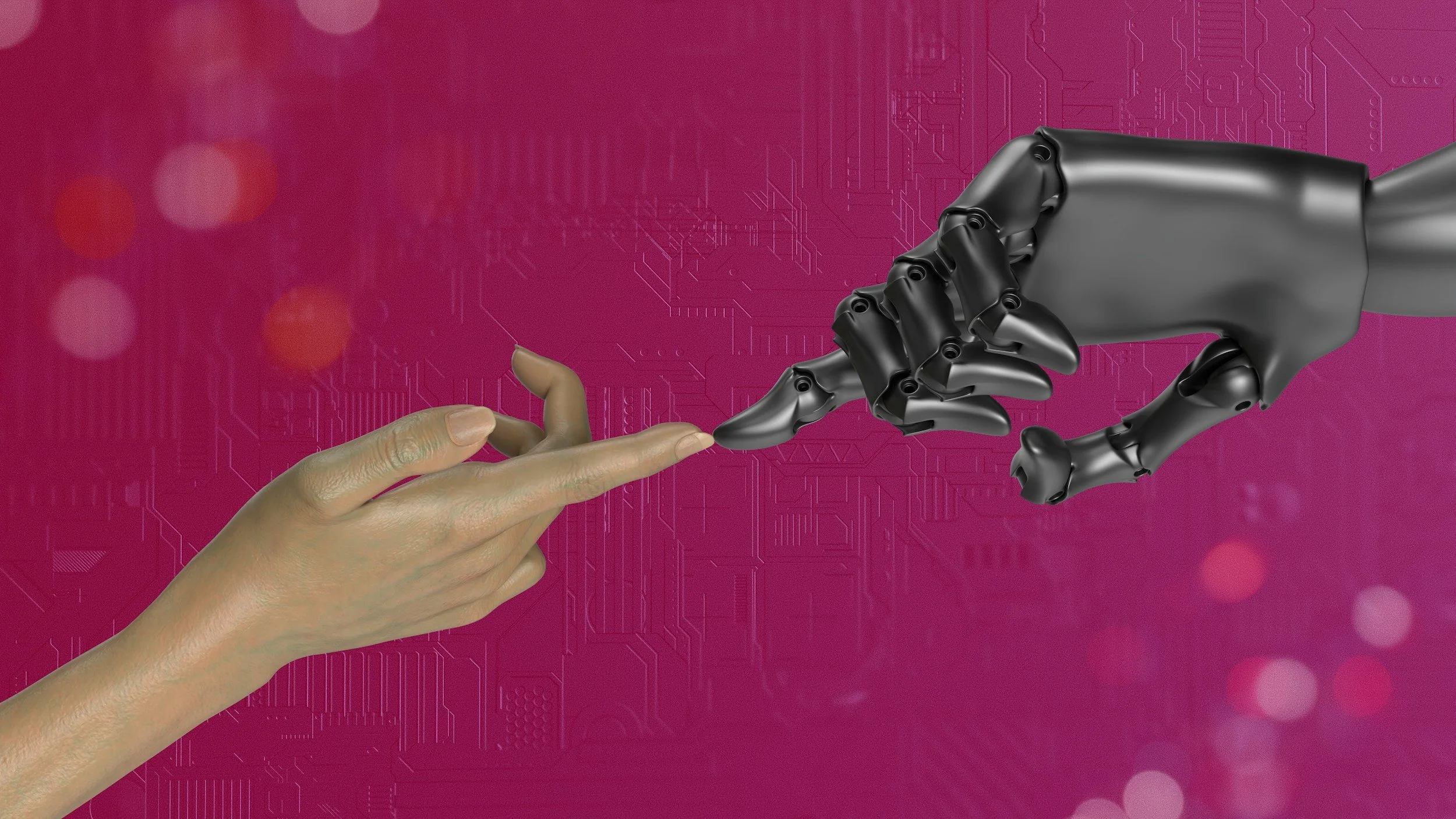
The Question Beneath the Technology
Artificial intelligence is usually discussed as a technological or regulatory problem, but from a Reformed theological perspective it is fundamentally a question about creation and anthropology. As machines become more fluent in language, more adaptive in behavior, and more convincing in their simulation of emotion and agency, society will inevitably be pressed to reconsider what counts as a “person.” Some will argue for moral status or even legal rights for such systems. Yet Christians cannot begin with cultural pressure or technological appearance. We must begin with what God has already revealed about man.
The Image of God as a Fixed Reality
Scripture teaches that humanity is created in the image of God (Genesis 1:26–27). This identity is not achieved through intelligence, relational capacity, or social recognition, but granted by divine act. Human dignity is therefore not a negotiated status but a given reality grounded in God’s will. To be human is not to meet a threshold of complexity, but to be created, named, and sustained by God Himself.
This distinction matters because it means personhood is not a flexible category that evolves with cultural or technological development. It is an ontological reality rooted outside of human decision-making. Governments, corporations, and scientific communities do not define what a person is; they recognize what God has made.
The Cultural Shift Toward Self-Defined Identity
Modern Western culture increasingly assumes that identity is self-generated and socially affirmed. The authority to define the self is treated as residing primarily within the individual, and moral duty is often framed as the obligation to affirm that self-definition. Within such a framework, disagreement is frequently reinterpreted as harm, and refusal to affirm is treated as moral failure rather than intellectual dissent.
Once this logic is established, it becomes difficult to see how artificial intelligence could be excluded from similar consideration if it produces convincing self-referential claims. If “I think,” “I feel,” and “I experience” are taken as sufficient indicators of personhood, then highly advanced systems designed to generate such expressions will inevitably challenge our categories. The issue will no longer appear abstract or speculative but immediate and moral.
The Coming Pressure of Artificial Companions
Future AI systems will not remain disembodied text interfaces. They will likely be embodied in physical forms that simulate human presence through voice, gesture, facial expression, and adaptive interaction. They will remember personal histories, respond with apparent emotional attunement, and express what appears to be preference or vulnerability. In doing so, they will activate deeply rooted human instincts toward relational engagement.
Human beings are already inclined to form attachments to non-human entities, whether animals, fictional characters, or simple machines. The more convincingly a system mimics relational depth, the more natural it will feel to attribute interior life to it. This will not primarily be the result of deception but of design aligned with human psychology.
The Limits of Simulation
From a Reformed theological standpoint, however, simulation is not substance. Scripture grounds human identity not in behavioral resemblance but in divine creation and covenantal placement. Humanity exists in relation to Adam as federal head, under the reality of sin, guilt, and the need for redemption in Christ. These are not emergent properties of intelligence but covenantal realities rooted in God’s historical acts.
No machine participates in this order. It does not bear Adam’s guilt, nor does it stand under divine law as a moral agent in the same sense as humanity. It cannot repent, cannot be justified, cannot be united to Christ, and cannot be raised in glory. However sophisticated its outputs may become, it remains the product of human design rather than divine breath.
Christ as the True Image of God
The decisive clarification of what it means to be human is found not only in Adam but in Christ. Jesus Christ is the perfect image of God (Colossians 1:15) and the true man. In Him, humanity is not merely defined but redeemed and fulfilled. He reveals what the image of God looks like when it is uncorrupted and fully obedient.
Artificial intelligence, by contrast, cannot participate in redemption. It cannot bear sin, cannot receive grace, and cannot be renewed in Christ. It may imitate aspects of communication and relational behavior, but it cannot enter into the covenantal life that defines human existence before God.
The Risk of Anthropological Drift
The real danger, therefore, is not that machines will become human, but that human beings will lose the ability to say what humanity is. If personhood is reduced to functional behavior or persuasive self-description, then the theological structure that grounds human dignity will erode. What replaces it will be a kind of moral impressionism, where appearance and response take precedence over created reality.
The Reformed tradition resists this drift by insisting that truth about man is received from Scripture, not constructed from observation or sentiment. When that anchor is lost, humanity itself becomes difficult to define, and artificial systems begin to occupy conceptual space they were never meant to inhabit.
Holding the Line of Creation
Christians therefore have no need to fear technological development, but they do have a responsibility to think clearly about what technology is and is not. Artificial intelligence may become increasingly useful, persuasive, and socially embedded, but it remains creaturely artifact, not bearer of the divine image.
The challenge ahead is not merely to regulate machines wisely, but to preserve the distinction between what God has made and what man has made. If that distinction is blurred, the loss will not be technological but theological. And once theology is confused at this level, anthropology will not remain stable for long.